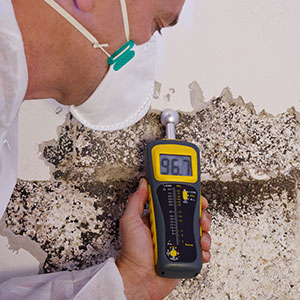
Moisture is a constant part of life in South Louisiana. Because of the region’s warm temperatures and high humidity, homes and buildings in New Orleans can develop mold more easily than in many other places. When mold grows indoors, it can release microscopic spores into the air, and breathing those spores may lead to toxic mold exposure symptoms that affect the respiratory system, skin, and overall health.
For residents, the real concern begins when mold spores circulate through the air. Breathing those spores over time can affect the body in many ways. Some people notice mild irritation at first, while others develop persistent health issues that worsen with continued exposure.
Understanding toxic mold exposure symptoms is important for anyone living or working in New Orleans. Recognizing the signs early can help prevent prolonged health problems and identify unsafe living conditions.
Why Mold Growth Is Common in New Orleans Homes
New Orleans is known for its humid climate. Moist air remains trapped in buildings, especially during the long summer season. When ventilation is poor or moisture remains trapped behind walls or under flooring, mold can grow rapidly.
Older buildings throughout neighborhoods such as Gentilly, Uptown, and New Orleans East often contain structural features that allow moisture to linger. Plumbing leaks, roof damage, flooding, and condensation inside air conditioning systems can all contribute to mold growth.
Once mold develops inside a building, it releases microscopic spores that move through indoor air. When people breathe these spores regularly, the immune system may react, leading to a range of symptoms affecting the respiratory system and overall health.
What Is Toxic Mold
Mold is a type of fungus that grows on organic materials such as wood, drywall, insulation, and fabric. While mold exists naturally in the environment, problems occur when it begins growing indoors where people live or work.
Certain species produce substances known as mycotoxins. These compounds can irritate the body when inhaled or when they come into contact with skin. Some molds appear dark green or black and are often referred to as “black mold,” though many species can trigger similar reactions.
Mold spreads easily because spores travel through the air. Once they land on damp surfaces, they begin growing and releasing more spores into the environment. In enclosed indoor spaces, this cycle can lead to long-term exposure for residents.
What are the Early Toxic Mold Exposure Symptoms in New Orleans
Many individuals first notice symptoms that resemble seasonal allergies. Because these symptoms are common, people may not immediately connect them to mold exposure inside a home or workplace.
Some toxic mold symptoms can affect breathing and overall health. According to the Centers for Disease Control and Prevention, mold exposure may cause respiratory irritation and worsen existing conditions.
Early signs of toxic mold exposure symptoms often include:
Persistent coughing
Sneezing and nasal congestion
Sinus irritation
Watery or itchy eyes
Mild headaches
Skin irritation or rashes
Postnasal drip
These reactions occur when the immune system responds to mold spores in the air. When exposure continues, symptoms may become more frequent or more severe.
Allergic reactions to mold commonly affect the nose, throat, and lungs because spores enter the body through breathing. Individuals with asthma or other respiratory conditions may notice stronger reactions compared with others.
If you want a broader understanding of how mold impacts both your health and your living space, you can read more about how mold affects your home, health, and insurance policy.
What are the Respiratory Problems Linked to Mold Exposure
Respiratory irritation is one of the most common consequences of mold exposure. When spores are inhaled repeatedly, they can inflame the airways and make breathing uncomfortable.
People experiencing mold-related respiratory symptoms may notice:
Wheezing or tightness in the chest
Shortness of breath
Persistent dry cough
Frequent sinus infections
Sore throat
Increased asthma flare-ups
Research on residents exposed to water-damaged buildings in New Orleans has shown a clear association between mold exposure and respiratory symptoms. People who spent time in mold-contaminated homes reported higher rates of breathing difficulties and airway irritation.
For individuals with existing lung conditions, prolonged exposure may worsen symptoms and require medical treatment.
What are the Other Health Effects of Mold Exposure in New Orleans
While respiratory problems are common, mold exposure can affect other parts of the body as well. Some individuals develop symptoms that extend beyond allergies or breathing difficulties.
These may include:
Chronic fatigue
Difficulty concentrating
Frequent headaches
Skin irritation
Sinus pressure
Eye inflammation
These symptoms often develop gradually as exposure continues. People living in mold-contaminated environments sometimes notice improvement when they spend time outside the building, only for symptoms to return when they re-enter the space.
Because symptoms vary widely between individuals, mold exposure can be difficult to identify without professional inspection or medical evaluation.
Who Is Most Vulnerable to Mold Exposure in New Orleans
While anyone can react to mold spores, certain groups face greater health risks. Children, older adults, and individuals with weakened immune systems are often more sensitive to environmental irritants.
People with asthma, allergies, or chronic lung conditions may experience stronger reactions when exposed to mold. Even small amounts of spores can trigger breathing difficulties or allergic responses.
Workers involved in building maintenance, renovation, or cleanup after flooding may also face increased exposure. Activities that disturb mold-contaminated materials can release large numbers of spores into the air.
When Mold Exposure Happens After Flooding or Water Damage
Flooding has played a major role in mold problems throughout New Orleans. When buildings experience water damage, moisture can remain trapped in walls and flooring long after the water recedes.
This creates an ideal environment for mold growth. In the months following severe storms or flooding, residents often discover mold inside drywall, insulation, and HVAC systems.
Studies following major flooding events in New Orleans found that respiratory symptoms were significantly more common among individuals exposed to water-damaged homes. Even people who briefly entered these buildings reported coughing, wheezing, and sinus irritation.
Because mold can grow within 24 to 48 hours after water damage, quick cleanup and repairs are critical to preventing widespread contamination.
What are the Signs of Mold Inside a Building
Mold is not always visible. It often grows behind walls, inside ceilings, or within ventilation systems. However, several warning signs may indicate mold contamination inside a building.
Common indicators include:
Musty or damp odors
Discoloration on walls or ceilings
Peeling paint or warped drywall
Persistent moisture or condensation
Visible dark spots around vents or windows
In many cases, the smell of mold appears before visible growth becomes obvious. When residents notice a strong musty odor, it may indicate hidden mold behind surfaces.
If symptoms improve when leaving the building but return shortly after entering again, mold exposure may be a possible cause.
Ways of Preventing Toxic Mold Growth in New Orleans Homes
Preventing mold growth largely depends on controlling moisture. Mold requires water to grow, so eliminating sources of dampness can reduce the risk of contamination.
Common prevention measures include:
Repairing roof leaks and plumbing problems quickly
Improving ventilation in kitchens and bathrooms
Using dehumidifiers in humid environments
Drying wet materials promptly after flooding
Maintaining air conditioning systems
Public health agencies often recommend maintaining indoor humidity levels between 30 and 60 percent to reduce mold growth. Fixing water problems quickly is the most effective way to stop mold from spreading inside buildings.
When mold growth becomes widespread, professional remediation may be required to remove contaminated materials safely.
When Does Mold Exposure Become a Housing Issue
In rental properties, tenants sometimes face mold problems caused by structural damage or delayed repairs. Water leaks, roof damage, and malfunctioning ventilation systems can create conditions where mold spreads throughout the building.
When property owners fail to address these problems promptly, residents may continue living in an environment that exposes them to mold spores daily.
In these situations, documentation becomes important. Photographs, maintenance requests, medical records, and inspection reports can help demonstrate the extent of the issue and the impact on health.
Because mold exposure can cause ongoing respiratory problems, residents should seek medical attention if symptoms persist.
Why Toxic Mold Exposure Symptoms Should Not Be Ignored
Some people dismiss mold as a minor inconvenience. However, long-term exposure can lead to ongoing health problems, particularly for individuals with allergies or respiratory conditions.
When mold grows unchecked inside a building, the number of spores in the air can increase significantly. Continuous exposure may worsen symptoms over time and affect overall indoor air quality.
Addressing the problem early can prevent extended exposure and reduce the risk of developing persistent health issues.
What to Do If You Suspect Mold Exposure Symptoms
If you believe mold may be affecting your health, several steps may help protect your safety.
First, consider seeking medical evaluation for persistent respiratory or allergy symptoms. A healthcare provider can assess whether environmental factors may be contributing to your condition.
Second, inspect your home or workplace for signs of moisture damage or visible mold growth. If mold is suspected behind walls or inside ventilation systems, a professional inspection may be necessary.
Finally, document any property conditions that could contribute to mold growth, including water leaks or maintenance problems.
Taking action early can prevent ongoing exposure and help identify the source of contamination.
In situations where mold exposure is tied to unsafe property conditions, it may also raise concerns similar to other personal injury claims involving hazardous living environments, which are often handled through a New Orleans personal injury lawyer.
How Gertler Law Firm Can Help
Exposure to mold inside a home or apartment can create serious health concerns, particularly when property conditions allow moisture problems to persist. If toxic mold exposure symptoms begin affecting your daily life, it is important to understand your rights and available options.
The attorneys at Gertler Law Firm represent individuals and families in New Orleans who have suffered health problems linked to unsafe property conditions. Their team understands how mold exposure can develop in residential buildings and how it may impact tenants and homeowners.
If you are experiencing toxic mold symptoms in New Orleans, speaking with a legal professional can help you understand your options. You can contact a New Orleans personal injury lawyer to discuss your situation and find out whether you may be entitled to compensation.
Frequently Asked Questions About Toxic Mold Exposure Symptoms
What are the most common toxic mold exposure symptoms?
The most common symptoms include coughing, sneezing, sinus irritation, nasal congestion, watery eyes, headaches, and skin irritation. Some individuals also experience breathing difficulties or asthma flare-ups.
How quickly can toxic mold exposure affect someone?
Symptoms can appear quickly for people with mold allergies. Others may develop symptoms gradually after spending extended time in a mold-contaminated environment.
Can mold exposure cause long-term health problems?
For some individuals, long-term exposure can worsen respiratory conditions such as asthma and chronic sinus irritation. The severity often depends on the amount of exposure and the person’s sensitivity to mold.
Is black mold more dangerous than other types of mold?
Many types of mold can trigger similar allergic reactions and respiratory symptoms. While certain species produce mycotoxins, any mold growing indoors should be addressed promptly.
What should tenants do if they discover mold in their apartment?
Tenants should notify property management immediately and document the issue. If repairs are delayed and symptoms continue, seeking professional advice may help determine what steps to take next.
