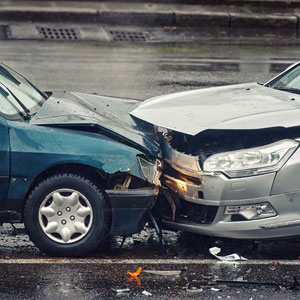
Car accidents happen every day across Louisiana highways, city streets, and rural roads. Some crashes result in minor vehicle damage, while others cause severe injuries that affect victims and families for years. Understanding the causes of car accidents in Louisiana helps drivers stay alert and recognize situations that often lead to collisions.
Many crashes are not random events. They happen because of driver behavior, road conditions, vehicle problems, or environmental factors. Louisiana’s traffic patterns, weather conditions, and busy metropolitan areas create situations where accidents can occur quickly if drivers are not paying attention.
This guide explains the most common causes of car accidents in Louisiana, how these crashes happen, and why understanding these risks matters for drivers across the state.
Why Understanding the Causes of Car Accidents Matters
Every crash has a cause. Identifying the factors that lead to accidents helps improve road safety and allows drivers to adjust their behavior behind the wheel.
Louisiana sees thousands of vehicle collisions each year. Major highways such as Interstate 10, Interstate 12, and Interstate 55 carry heavy traffic through urban areas like New Orleans, Baton Rouge, and Lafayette. When combined with local roads, commercial vehicle traffic, and tourism-related travel, the risk of accidents increases significantly.
By understanding the most common causes of car accidents in Louisiana, drivers can become more aware of dangerous situations and take steps to reduce risk while driving.
Distracted Driving
Distracted driving remains one of the leading causes of vehicle collisions across Louisiana. When drivers take their attention away from the road, even for a few seconds, the likelihood of a crash increases dramatically.
Distractions can include texting, checking social media, adjusting navigation systems, or talking on a mobile phone. Many drivers also become distracted by passengers, eating while driving, or interacting with dashboard controls.
Text messaging is particularly dangerous because it involves three types of distraction at once: visual, manual, and cognitive. A driver looking down at a phone for just five seconds while traveling at highway speeds can cover the length of a football field without watching the road.
Louisiana law restricts handheld phone use while driving, but distracted driving continues to play a major role in many crashes throughout the state.
Speeding
Speeding is another major contributor to car accidents in Louisiana. When drivers travel faster than the posted speed limit or drive too quickly for road conditions, they have less time to react to hazards.
Higher speeds also increase the severity of crashes. The faster a vehicle moves, the greater the force involved in a collision. This means injuries and property damage tend to be more serious when speeding is involved.
Speeding frequently occurs on interstate highways, but it also happens on local streets where drivers may underestimate how quickly dangerous situations can develop. In areas with heavy traffic or frequent intersections, speeding can lead to rear-end collisions, loss of control, or intersection crashes.
Impaired Driving
Driving under the influence of alcohol or drugs continues to be a serious problem on Louisiana roads. Alcohol affects reaction time, judgment, coordination, and vision, making it far more difficult for drivers to operate a vehicle safely.
Even small amounts of alcohol can impair driving ability. Drivers who are intoxicated often underestimate their impairment and may take risks they would not normally take while sober.
Impaired driving accidents often occur late at night, during weekends, or around holidays when social gatherings are more common. These crashes frequently involve higher speeds and sudden lane changes, increasing the chance of severe injuries.
Louisiana law enforcement agencies conduct regular patrols and checkpoints to address impaired driving, but these crashes still occur every year across the state.
Reckless or Aggressive Driving
Aggressive driving behavior can quickly escalate into dangerous situations. Drivers who act impatiently or aggressively behind the wheel may tailgate, weave between lanes, ignore traffic signals, or attempt risky passing maneuvers.
Road rage incidents sometimes occur when drivers react emotionally to traffic delays or perceived mistakes by other motorists. This behavior can lead to sudden braking, unsafe lane changes, or confrontations that distract drivers from the road.
Aggressive driving is particularly dangerous on busy highways where high speeds and heavy traffic leave little room for error.
Failure to Obey Traffic Signals
Intersections are common locations for serious crashes. When drivers ignore red lights, stop signs, or other traffic signals, they create situations where vehicles cross paths at dangerous speeds.
Running a red light often leads to side-impact collisions, sometimes called T-bone crashes. These accidents can cause significant injuries because the side of a vehicle offers less protection than the front or rear.
Busy intersections in cities such as New Orleans and Baton Rouge see high traffic volumes throughout the day, which increases the risk of intersection accidents when drivers fail to follow traffic rules.
Unsafe Lane Changes
Lane changes are routine driving maneuvers, but they can become hazardous if drivers fail to check their surroundings. When drivers merge without signaling, fail to check blind spots, or misjudge the speed of other vehicles, collisions can occur.
Highway traffic in Louisiana often involves vehicles traveling at different speeds. Passenger vehicles share the road with commercial trucks, buses, and motorcycles, which makes careful lane changes especially important.
Sideswipe collisions are common results of unsafe lane changes, and these crashes can push vehicles off the road or into adjacent lanes.
Following Too Closely
Tailgating is another common cause of car accidents. When drivers follow too closely behind another vehicle, they leave little space to react if traffic slows suddenly.
Rear-end collisions frequently occur when drivers fail to maintain a safe following distance. These accidents are common in heavy traffic, construction zones, and areas where vehicles stop frequently.
Maintaining a proper following distance allows drivers more time to brake or maneuver if unexpected conditions develop.
Poor Weather Conditions
Louisiana’s climate can create challenging driving conditions. Heavy rainstorms, fog, and occasional severe weather events can reduce visibility and make roads slippery.
Wet pavement increases stopping distance and reduces tire traction. Drivers who fail to adjust their speed during rainstorms may lose control of their vehicles or slide into other cars.
Flooded roads can also present serious hazards. In some areas, standing water may hide potholes or cause vehicles to hydroplane. Drivers who attempt to travel through flooded streets risk losing control or damaging their vehicles.
Fatigued Driving
Driver fatigue is often overlooked, but it can be just as dangerous as impaired driving. When drivers are extremely tired, their reaction time slows, concentration drops, and they may struggle to stay focused on the road.
Fatigue-related accidents often occur during late-night hours or after long periods of driving without rest. Commercial drivers and individuals traveling long distances are particularly vulnerable to fatigue.
Drowsy drivers may drift between lanes, miss traffic signals, or fail to notice changing traffic conditions.
Vehicle Maintenance Issues
Mechanical problems can also lead to accidents. When vehicles are not properly maintained, critical systems may fail at the worst possible moment.
Common maintenance-related issues include worn brakes, tire blowouts, malfunctioning steering components, and defective headlights. Drivers who neglect regular maintenance may experience sudden vehicle failures that cause loss of control.
Routine inspections and maintenance help reduce the risk of accidents caused by mechanical problems.
Road Design and Infrastructure Issues
In some situations, roadway design or maintenance problems contribute to vehicle crashes. Potholes, uneven pavement, poor drainage, or unclear lane markings can make driving more difficult.
Construction zones also create temporary hazards. Changing traffic patterns, reduced lanes, and construction equipment may increase the likelihood of accidents when drivers are unfamiliar with the area.
Drivers must remain alert in construction zones and follow posted warnings to reduce accident risks.
Commercial Vehicle Traffic
Louisiana highways carry a large volume of commercial truck traffic, especially along major freight corridors. These large vehicles require greater stopping distances and have larger blind spots than passenger cars.
When drivers fail to account for these factors, accidents involving trucks can occur. Passenger vehicles that cut too closely in front of large trucks or linger in blind spots may place themselves at risk.
Truck-related accidents can be particularly severe because of the size and weight difference between commercial vehicles and passenger cars.
Urban Traffic Congestion
Cities such as New Orleans experience heavy traffic congestion throughout the day. Congested roads increase the chance of sudden braking, frequent lane changes, and driver frustration.
Drivers navigating dense traffic may become distracted, impatient, or careless, leading to collisions.
Urban driving environments also involve pedestrians, cyclists, and public transportation vehicles, which require additional awareness from drivers.
Rural Road Risks
While urban areas see many accidents, rural roads present their own challenges. Many rural highways in Louisiana have fewer lanes, limited lighting, and higher speed limits.
Drivers may encounter sharp curves, wildlife crossings, or unexpected road hazards. Emergency response times can also be longer in rural areas, which may increase the seriousness of injuries when accidents occur.
How Drivers Can Reduce the Risk of Accidents
While not every accident can be prevented, drivers can take steps to reduce their risk behind the wheel.
Staying focused on the road, avoiding distractions, and maintaining a safe speed are essential habits. Drivers should also maintain proper following distance, use signals when changing lanes, and remain patient in heavy traffic.
Regular vehicle maintenance ensures that brakes, tires, and other critical components remain in good condition. Drivers should also adjust their speed and behavior when weather conditions change.
Defensive driving techniques can help motorists anticipate potential hazards and respond safely.
When a Car Accident Happens in Louisiana
Even the most careful drivers can become involved in accidents caused by other motorists. When crashes occur, victims may face medical bills, vehicle repairs, lost income, and other unexpected challenges.
Understanding the causes of car accidents in Louisiana can help people recognize what happened and determine what steps may be available afterward.
Accident investigations often examine driver behavior, roadway conditions, and other contributing factors to understand how the collision occurred.
Speak With Gertler Law Firm About a Louisiana Car Accident
If you or a family member has been injured in a vehicle collision, understanding your options can make a major difference during recovery. Car accidents can leave victims dealing with medical expenses, time away from work, and ongoing stress while trying to move forward.
Gertler Law Firm represents individuals and families across Louisiana who have been affected by serious car accidents. Their legal team understands the challenges that follow a collision and works to help clients pursue accountability when another driver’s actions caused harm.
If you were injured in a crash in New Orleans or anywhere in Louisiana, speaking with an attorney at Gertler Law Firm can help you better understand your situation and the steps that may be available moving forward.
Frequently Asked Questions About Louisiana Car Accidents
What is the most common cause of car accidents in Louisiana?
Distracted driving is one of the leading causes of accidents in Louisiana. Activities such as texting, using mobile phones, and interacting with in-car technology frequently contribute to crashes.
Are speeding accidents common in Louisiana?
Yes. Speeding remains a major factor in many Louisiana crashes, especially on highways where higher speeds reduce reaction time and increase collision severity.
Do weather conditions contribute to car accidents in Louisiana?
Heavy rain, fog, and flooding can create hazardous driving conditions. Wet roads reduce traction and visibility, which increases the risk of accidents.
What should I do after a car accident in Louisiana?
After a crash, drivers should check for injuries, contact emergency services, exchange information with other drivers, and document the scene if possible.
Can driver fatigue cause accidents?
Yes. Fatigued drivers often experience slower reaction times and reduced awareness, which can lead to collisions, especially during long trips or late-night driving.
