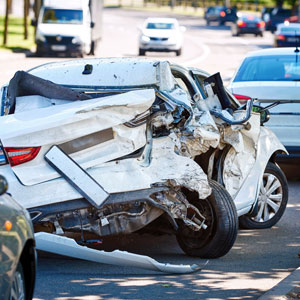
 There’s a moment after a crash in New Orleans that almost everyone remembers.
Not the noise, not the impact, not even the other driver’s face.
It’s the few seconds after. Your hands are on the wheel. Your heart is loud. You stare at the cracked windshield or the bent hood and your brain tries to sort out what just happened. You might be thinking, “I’m fine,” while your neck starts tightening. Or you might already feel pain, but you’re still trying to act calm because people are watching.
Then the practical stuff hits you all at once.
Cars backed up. Someone honking. A person yelling from the sidewalk. A stranger asking if you’re okay. The other driver stepping out with their phone in their hand. Rain starting. A streetcar creeping by. You realize your vehicle is leaking something, and you’re not sure if you should move it or stay put.
This is where people make decisions that affect everything later, even if the crash itself was not their fault.
And in New Orleans, claims can get messy fast. Roads are crowded. Weather changes quickly. Intersections are chaotic. Some drivers are tourists who panic and disappear. Others are locals who think they can talk their way out of responsibility. Insurance companies move quickly, and not in your favor.
So let’s talk about what actually helps after a New Orleans car wreck, what tends to hurt, and how to protect your claim without turning your life into a full-time paperwork job.
This article is for real people, not lawyers. It’s a blog post you can read while you’re waiting at the repair shop, sitting in urgent care, or trying to figure out why the adjuster keeps calling.
The First Hour After the Crash: It’s Not Just Safety, It’s the Story
A car accident claim is a story that gets written by different people. Police write part of it. Doctors write part of it. Insurance adjusters write part of it. Repair shops write part of it. Witnesses fill in missing pieces, if you can find them.
You write part of it too, whether you mean to or not.
Every photo you take, every word you say at the scene, every delay in treatment, every text message you send to a friend saying “I’m fine,” it all becomes part of the record.
That does not mean you have to act like a trial lawyer at the scene. It means you should move with a little intention, even if you’re shaken.
New Orleans has plenty of crash patterns that make this more important:
- Rear-end hits on I-10 where drivers are following too closely.
- Side-impact collisions at busy intersections where everyone claims the light was green.
- Wet-road spins during sudden downpours.
- Pothole blowouts and lane shifts around construction.
- Rideshare vehicles stopping suddenly near hotels or nightlife areas.
The details vary. The pressure from insurance companies stays the same.
The 5 Things That Matter Most at the Scene (Without Turning It Into a Project)
You will see long lists on the internet telling you to do twenty things after a crash. That’s not realistic. You might be injured. You might be in traffic. You might be caring for your kids. You might be dealing with a driver who is angry or unstable.
So here are the five actions that tend to matter most, in plain terms.
1) Safety and 911: Get out of danger, and get official help on the record.
If you can safely move your vehicle out of traffic, do it. New Orleans highways and major streets can turn into a second-crash situation quickly, and being stranded in a lane is dangerous.
Calling 911 does two things:
- It gets medical help if you need it.
- It creates an official response, which often leads to an accident report.
That accident report is not perfect, and it can contain mistakes, but it is often the first neutral record of the crash. It can also list parties, vehicles, insurance carriers, and witness names.
2) Photos and video: Capture what the scene looked like before it changes.
People clean up debris. Cars get moved. Rain washes away marks. Tow trucks arrive. Traffic flow changes.
So you want quick visuals that show:
- Vehicle damage from several angles.
- How the vehicles are positioned.
- Road conditions, including standing water, slick areas, or potholes.
- The intersection layout, traffic lights, stop signs, and lane markings.
- License plates.
You do not have to be perfect. You just need enough to show what the scene looked like.
3) Witnesses: If someone saw it, get their number before they leave.
In New Orleans, people stop to help, then disappear. Someone might say, “I saw the whole thing,” then they get nervous, or they need to get to work, and they’re gone.
If you can, get:
- Their name.
- Their phone number.
- A short sentence on what they saw.
Even one witness can matter when fault is disputed.
4) Medical care: Get checked out quickly, even if you think you’re okay.
This is the part people underestimate, and it is where claims can collapse later.
Adrenaline can mask injuries. Some conditions appear slowly:
- Neck strain and whiplash.
- Concussion symptoms.
- Back injuries.
- Shoulder injuries from seatbelt force.
- Soft tissue injuries that worsen overnight.
Medical care also creates a treatment record that links your injury to the crash. Insurance companies routinely argue that a delay means the injury came from something else.
5) Insurance report: Give basic facts, and stop talking when it turns into a trap.
You should report the crash to your insurance carrier, but keep it factual. Do not guess speed or distance. Do not accept blame out of politeness. Do not speculate.
If the other driver’s insurer calls and pushes for a recorded statement, you can say:
- “I’m not ready to do that.”
- “Please contact my attorney.”
That is not rude. It is smart.
The New Orleans Factors People Don’t Expect (Until They’re In It)
Car wrecks happen everywhere. New Orleans has a few factors that make claims harder.
Traffic density and short tempers
In some parts of the city, drivers treat lane markings like suggestions. In others, tourists drive like they are looking for the next turn at the last second. That creates unpredictable collision patterns, and insurance companies love to argue that both drivers share blame.
Weather that changes the road in minutes
Heavy rain can turn smooth streets into slick hazards. Flooding can hide potholes and make braking unpredictable. If your crash happened in wet conditions, photos of standing water and road condition become more meaningful.
Roads that do not forgive mistakes
Uneven pavement, broken lanes, and construction zones can cause sudden swerves, blown tires, and rear-end pileups. If the road condition contributed to the crash, document it early.
Witnesses who vanish and cameras that overwrite footage
Businesses may have cameras, but footage can be overwritten quickly. If you think a nearby store, hotel, or gas station has footage, move fast. If you wait, it may be gone.
The Part Nobody Enjoys: Dealing With Insurance Adjusters
If you’ve never had a serious claim before, the adjuster calls can feel strange. They might sound friendly. They might sound “helpful.” They might sound like they are just gathering information.
That surface tone is not the real purpose.
Insurance carriers are businesses. Their job is to pay as little as possible while appearing reasonable.
Here’s what often happens in the days after a crash:
They call fast, while you are still foggy
They want you to talk before you’ve seen a doctor, before you’ve had imaging, before you understand what hurts. If you downplay your symptoms in that first call, it can show up later as an argument against you.
They request a recorded statement
Recorded statements can be used to pick apart your words. Adjusters ask questions that sound casual but are designed to limit liability, like:
- “You didn’t see the other car until the last second, right?”
- “You’re not sure if your back pain started that day, right?”
- “You were able to walk around at the scene, correct?”
You might answer honestly, and still get boxed in.
They push an early settlement
If you accept money before you finish treatment, you may lose the ability to seek more later. Many people settle too early because they want the calls to stop or they need quick cash for repairs.
They ask for broad medical access
Sometimes insurers ask you to sign releases that allow them to dig through unrelated medical history. That can turn into arguments about “pre-existing conditions” even if your crash clearly caused new pain and limitations.
This is why many people choose to get legal help early. A lawyer can take the calls, control the flow of information, and build a claim that reflects reality, not what the insurer hopes you will accept.
How Louisiana Fault Rules Affect Real Claims (Without Making This a Law Lecture)
Louisiana uses a fault-based system for car wreck claims, meaning the driver who caused the crash is responsible for damages.
That sounds clean, but in practice, insurers often argue shared fault. They might claim you were:
- Driving too fast for the conditions.
- Following too closely.
- Changing lanes aggressively.
- Distracted.
- “Not paying attention.”
Even when you know that’s not true, the goal is to reduce their payout.
Louisiana also has a filing deadline for injury claims. That time period changed recently for many cases, moving from one year to two years for certain claims arising after July 1, 2024, under new Civil Code provisions.
Here’s the practical point for a New Orleans crash victim:
Time is limited either way. If you wait, evidence fades, footage disappears, witnesses forget, and insurers gain leverage. Even if the legal window is longer, moving early makes the claim stronger.
If you want the law-focused version of deadlines and rules, that belongs on a dedicated Louisiana car accident law page. This blog post is about what people live through after a crash, and what tends to help.
What Your Claim May Cover: The Real-Life Costs People Overlook
Most people can list the obvious costs:
- Medical bills.
- Car repairs.
- Lost wages.
But New Orleans accident claims often include other losses that hit hard, especially for people whose income depends on physical ability, flexible schedules, or weekend work.
Medical care that keeps going longer than expected
A crash injury can start with one urgent care visit and turn into months of treatment:
- Physical therapy.
- Specialist visits.
- Pain management.
- Injections.
- Imaging.
- Surgery, in severe cases.
Even if your health insurance pays part of it, you may still face major out-of-pocket costs, co-pays, and time away from work.
Missed work that is hard to document
If you work in hospitality, event production, gig driving, trades, music, or contract work, your pay might not look like a steady paycheck. That makes documentation more important.
Examples:
- A bartender who misses weekends loses the biggest earning nights.
- A stagehand who misses festival work loses entire blocks of income.
- A rideshare driver with back pain loses hours, then loses earnings.
- A contractor who can’t lift loses jobs.
Loss of income is not just “days missed.” It can be lost opportunity, lost future work, and reduced earning ability.
Pain that changes daily life
Pain is not only “it hurts.” It’s what you stop doing.
A shoulder injury might mean you can’t pick up your child. A back injury might mean you can’t stand through a full shift. A concussion might mean you can’t focus, drive safely, or sleep.
This is why people keep a simple daily log. Not dramatic writing. Just honest notes.
Daily impact examples: what you could not do, what you had to cancel, what got worse, what got better.
That kind of detail helps show the human cost in a way a medical chart does not always capture.
Emotional strain
Crashes can create anxiety, stress, sleep problems, and fear of driving, especially if the crash was violent. These are real harms, and they can be part of a claim when they are documented.
Rare extra damages in certain situations
Louisiana generally does not allow punitive-type damages in standard negligence cases, but there are limited exceptions, including intoxicated driving under Civil Code Article 2315.4.
That’s not something that applies to every case. It’s simply part of the bigger legal picture.
The Mistakes People Make in New Orleans Claims (Because They’re Trying to Be Reasonable)
This is the part people relate to the most, because it’s not about being careless. It’s about being human.
Mistake: Waiting “to see if it gets better”
People delay treatment because they think pain will fade. Sometimes it does. Sometimes it doesn’t, and the delay creates issues with the claim.
Mistake: Saying “I’m fine” to be polite
People tell police, EMTs, friends, and insurers they’re okay. It’s a natural reaction, but it can be used against you later.
Mistake: Taking the first settlement offer to stop the stress
A quick payout can feel like relief. But if you accept it before you know the full medical picture, you may be stuck paying future care yourself.
Mistake: Posting about the crash on social media
Even innocent posts can be misread. Photos of you smiling at a family event might be used to claim you were not hurt. It’s not fair, but it happens.
Mistake: Not getting witness contact information
This one is huge. If fault is disputed and there are no witnesses, it can become a battle of stories. Witnesses can tip the balance.
Frequently Asked Questions People Ask Right After a New Orleans Car Accident
What if I couldn’t take photos at the scene?
This happens all the time, especially if you were in shock, injured, or transported for medical care.
Here are workable options:
- Scene photos later: go back and photograph the intersection, lane markings, road condition, and signage.
- Tow yard photos: photograph the vehicle before repairs start.
- Friend support: ask someone you trust to help document damage and visible marks.
Also, if you believe there was nearby camera footage, act quickly. Many systems overwrite recordings.
What happens in a hit-and-run in New Orleans?
Hit-and-run crashes are common enough in the city that many people have a plan for it, even if they never wanted to use it.
What to do:
- Stay at the scene: leaving can create legal problems for you.
- Call police: the report helps establish what happened.
- Record details: direction of travel, vehicle color, make, model, partial plate.
- Get witnesses: people nearby might have seen more than you did.
You may still have options through your own uninsured motorist coverage, depending on your policy.
Are Uber and Lyft crashes different?
Yes. Rideshare claims can be more complicated because insurance coverage can depend on what the driver was doing in the app at the time.
Common coverage questions:
- Was the driver logged in?
- Were they waiting for a ride request?
- Had they accepted a trip?
- Was a passenger in the vehicle?
Those details can affect which insurance coverage applies, and how much coverage is available.
How to Get a Crash Report After a New Orleans Accident
People often want the accident report quickly, and the process depends on which agency handled the crash.
Two common paths:
- Louisiana State Police crash report portal: for many non-toll road accidents on or after August 31, 2018, with a fee listed on the site.
- BuyCrash report search: a common platform used for accessing reports in many jurisdictions, including Louisiana.
If you have trouble locating the report number or identifying the responding agency, a law firm can help track it down, because the right report is often the foundation for everything that follows.
A Simple Way to Think About Your Claim: You’re Building a Record, Not Just a Demand
When people think about filing a claim, they picture a demand letter and a settlement figure.
In reality, the claim is built through records:
- Photos that show damage and road condition.
- Treatment records that show injury and recovery.
- Work records that show income loss.
- Repair records that show vehicle impact.
- Witness statements that support fault.
When those pieces line up, insurers have less room to argue. When pieces are missing, they lean into uncertainty.
That’s the difference between a claim that moves forward and one that stalls.
Why a New Orleans Firm Can Help (Even if You Think Your Case Is “Simple”)
A lot of people hesitate to call a lawyer because they think it means conflict, or they think their crash was not severe enough, or they don’t want to feel like they are overreacting.
But legal help can make sense in very practical situations, such as:
- You’re being pressured for a recorded statement.
- Your car is totaled and the value offer feels low.
- You have ongoing pain or medical treatment.
- You missed work and your income is not easy to document.
- Fault is disputed.
- The other driver is uninsured, underinsured, or disappeared.
- You were hit by a rideshare vehicle or commercial vehicle.
If you just want clarity and you want the insurance calls to stop going in circles, a consultation can help you understand your options.
Gertler Law Firm represents injured people in New Orleans and throughout Louisiana, and the firm can review the facts of your crash, explain what matters, and handle communication while you focus on healing.
If you want to speak with someone about your car wreck, you can contact Gertler Law Firm for a free consultation.
